FREE eBook

Practitioner’s Guide to Osteoarthritis and Joint Replacements

A comprehensive guide for practitioners leveraging technology to assess, manage and optimize outcomes after joint replacement surgeries. 

Get the guide

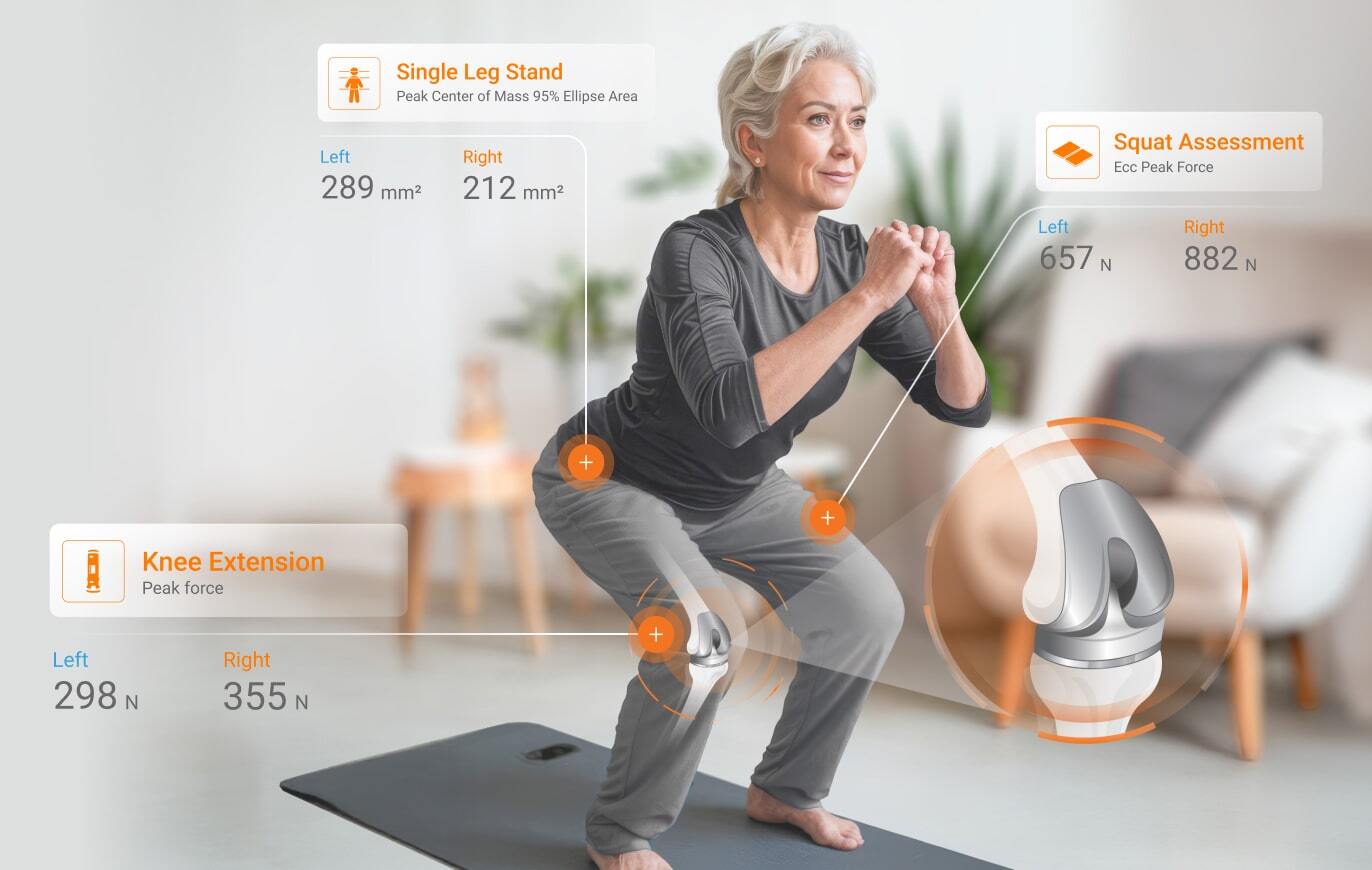
pg-osteo-hero-min
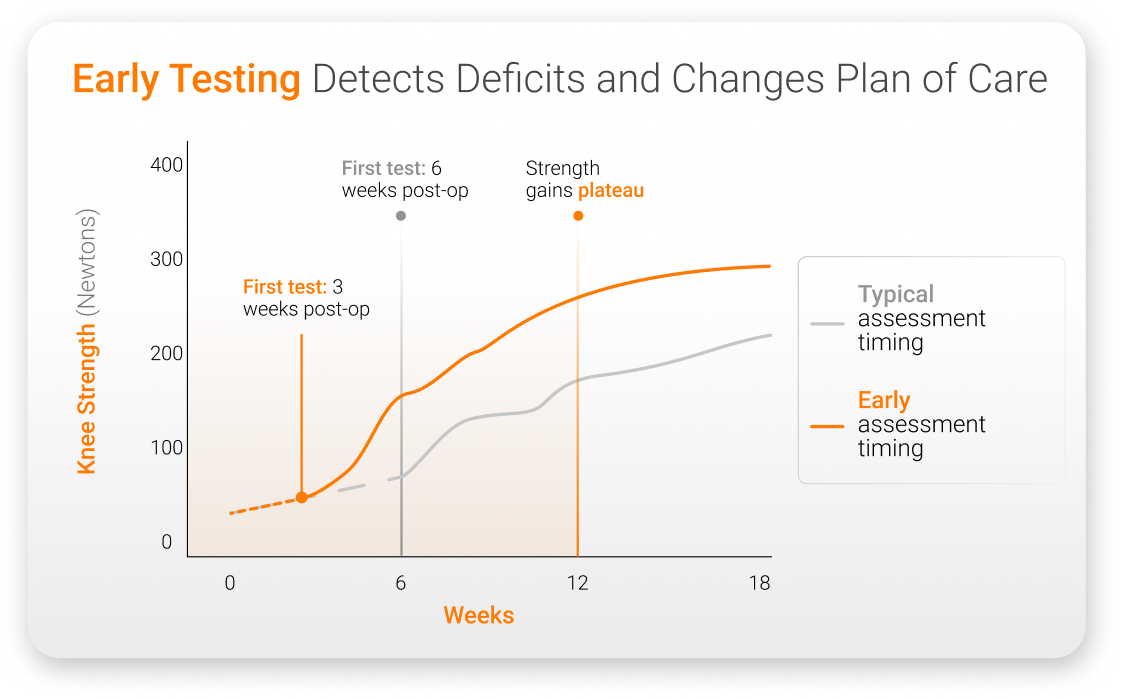
pg-osteo-early-testing

Meeting a rising surgical demand with measurable and specific rehab.

With a growing population and rising activity demands, practitioners face increasing challenges in managing the full pathway of joint replacement care. As surgical volumes rise, technology-driven evaluation becomes essential for delivering consistent, high-quality rehabilitation.

This guide combines research and expert insight to help practitioners refine their assessment and treatment of hip and knee replacements, enabling clearer progression, more informed decisions and better outcomes for active patients.

Some questions we'll answer in this guide:

  • Q: What joint replacement surgeries are the most common?
  • Q: What objective assessments are helpful and safe to perform early in rehab?
  • Q: What age-specific benchmarks should patients be reaching during rehab?
  • Q: Are high-impact assessment like jumps safe to perform?

... and much, much more.

Peter Brem
In 20+ years and over 500 TJA cases annually, I've learned that we can't clear a 55-year-old golfer based on walking speed alone. Force plates, dynamometers and timing gates objective key drivers of successful outcomes, demonstrating research-informed methods for reducing injury risk.
Dr. Brooke Patterson
Practitioners should not underestimate the power of assessing physical function in patients with osteoarthritis. Even though their joint disease is unlikely to change, if you can show that their range of motion, strength and function are improving – and their symptoms are stable – it can be very empowering for them.
Mark Opar
Normative data provides crucial context for understanding where a patient sits today and how their trajectory is shifting over time, and VALD technologies make these comparisons accessible in real time. In joint replacement rehabilitation, these reference points help distinguish true functional change from normal variability, giving patients clearer insight into their progress and reinforcing confidence in their recovery path.

Dr. Daniel Lorenz
In cases of osteoarthritis and joint replacement, dynamometry testing is an integral part of both initial and ongoing assessment. Regular testing motivates patients to keep working towards targeted strength goals, which ultimately lead to better function.
Dr. Jacob Woodrich
If you’re not testing, you’re guessing – being able to test strength, power and range of motion objectively has taken my practice to another level. I can effectively guide treatment and easily show patients their progress. I also love using it to support my return-to-activity decisions.
Matthew Green
The ability to objectively measure progress has transformed patient engagement and satisfaction – patients feel more empowered and confident in their recovery journey.
page-pg-osteo-hero-min

Get the guide for free.

Copyright VALD. All rights reserved. | Privacy Policy